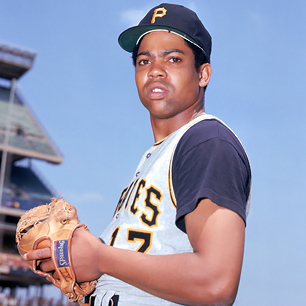
Unraveling the Legend: Dock Ellis Net Worth and the Infamous LSD No-Hitter
Dock Ellis was more than just a baseball player; he was a cultural phenomenon, a rebellious spirit, and a figure whose name is etched into sports history for one of the most improbable and talked-about feats ever: pitching a no-hitter while under the influence of LSD. While his on-field achievements were considerable, including a World Series title and an All-Star selection, it's this psychedelic diamond tale that continues to captivate generations. Beyond the legend, many wonder about the man himself – his struggles, his triumphs, and crucially, his financial standing. This article delves into the life and career of Dock Ellis, exploring his significant contributions to Major League Baseball, the story behind his legendary no-hitter, and a detailed look at Dock Ellis net worth at the time of his passing.
A Maverick on the Mound: Dock Ellis's Storied MLB Career
Born in Los Angeles, California, in March 1945, Dock Ellis Jr. was destined for a life less ordinary. A right-handed pitcher and a switch-hitter, Ellis honed his skills at Gardena High School and Los Angeles Harbor College before making his eagerly anticipated Major League Baseball debut. His professional journey began with the Pittsburgh Pirates in 1968, marking the start of a twelve-year career that saw him traverse various iconic teams.
Ellis was a significant presence for the Pirates until 1975, contributing to one of the franchise's most successful eras. He was an integral part of the 1971 Pittsburgh Pirates team that clinched the World Series championship, a highlight of his early career. That same year, his impressive performance earned him an All-Star selection, cementing his status as one of the league's formidable pitchers. Following his tenure in Pittsburgh, Ellis moved to the New York Yankees (1976-1977), where he experienced a resurgence, earning the American League Comeback Player of the Year award in 1976. He also had stints with the Oakland Athletics (1977), Texas Rangers (1977-1979), and briefly returned to both the New York Mets and the Pirates in 1979 before retiring.
Throughout his career, Ellis was known for his flamboyant personality, outspoken nature, and unwavering confidence. He wasn't just a pitcher; he was an entertainer, a provocateur, and a truly unique character who left an indelible mark on every dugout he graced and every opponent he faced.
The LSD No-Hitter: A Pitcher's Psychedelic Masterpiece
The date was June 12, 1970. The opponent was the San Diego Padres. What transpired on that humid night at San Diego Stadium would forever be etched in baseball lore, largely due to Ellis's shocking admission years later. Dock Ellis claimed he had consumed LSD earlier that day, genuinely believing it was a day off. Upon realizing he was scheduled to pitch, he somehow made it to the stadium, still under the drug's powerful influence.
Ellis famously recounted his experience: he struggled to differentiate the batter from the catcher, the ball from the glove, and even saw the ball expand and contract on its way to the plate. Despite these profound psychedelic distortions, Ellis somehow managed to pitch a no-hitter, walking eight batters but allowing no hits in a remarkable 2-0 victory for the Pirates. It was a staggering feat of athletic performance, willpower, or perhaps sheer luck – a testament to the bizarre and unpredictable nature of both human potential and illicit substances.
The story, initially met with skepticism, gained significant traction when Ellis openly discussed it in interviews and his autobiography. It cemented his legend as baseball's ultimate counter-culture figure, a symbol of the era's rebellious spirit, and a testament to a unique, albeit dangerous, chapter in sports history. This unbelievable event remains a cornerstone of his legacy, distinguishing him from countless other talented players.
Beyond the Baselines: Advocacy, Addiction, and Redemption
While the LSD no-hitter painted a picture of reckless abandon, Ellis's life story was far more complex and ultimately, inspiring. He openly admitted to a pervasive substance abuse problem, a confession that perhaps overshadowed even the no-hitter itself. He stated he never pitched a game without using drugs, a stark revelation that highlighted the hidden struggles within professional sports during that era.
Beyond his battles with addiction, Dock Ellis was a vocal and passionate advocate for African Americans, particularly within baseball. He was known for his candid critiques of racial inequalities in sports and society, using his platform to champion civil rights and fair treatment. His outspokenness often put him at odds with authority figures, but it also earned him respect from many who admired his courage and conviction.
After his MLB career, Ellis confronted his demons. He underwent treatment to get clean and, remarkably, transformed his life. He dedicated his later years to helping others, counseling drug addicts in prisons and treatment centers, sharing his own story of struggle and recovery. This period of his life, often overshadowed by his playing days, truly showcased his resilience and compassion. For more on his life after baseball, including his impactful advocacy work, you can read our detailed piece: Dock Ellis: Net Worth, MLB Career, and Life After Baseball.
Dock Ellis passed away on December 19, 2008, at the age of 63, due to a liver ailment. His passing marked the end of a life lived intensely, publicly, and with an unwavering commitment to authenticity.
Dock Ellis Net Worth: Understanding His Financial Legacy
At the time of his death in December 2008, Dock Ellis's net worth was estimated to be $100 thousand. This figure often raises eyebrows, especially when compared to the multi-million dollar contracts and vast fortunes of today's MLB stars. However, it's crucial to understand the economic context of professional baseball during Ellis's playing years (1968-1979).
During the late 1960s and 1970s, Major League Baseball salaries, while significant for the era, were a fraction of what they are today. The average MLB salary in 1970 was around $25,000, and by 1979, it had risen to approximately $113,000. Superstars might have earned more, but even their salaries pale in comparison to current figures. Players did not benefit from the massive endorsement deals, expansive media rights, and complex investment opportunities that are standard for modern athletes.
Furthermore, Ellis's battle with substance abuse likely had a significant financial toll. Addiction can lead to considerable expenses, impact earning potential through missed opportunities or career disruptions, and deplete savings. His dedicated work in counseling, while immensely valuable to others, was likely not a high-paying profession. Therefore, while $100,000 might seem modest for a former World Series champion and All-Star, it reflects the economic realities of his playing era combined with the personal challenges he faced. It's a testament to a time when fame didn't automatically equate to immense wealth in sports. For a deeper dive into the specifics of his financial situation and the factors influencing it, refer to our comprehensive article: Dock Ellis Net Worth: What Was His Fortune at Death?
Conclusion
Dock Ellis left an undeniable, multifaceted legacy that transcends the baseball diamond. He was a talented pitcher, a World Series champion, and an All-Star whose rebellious spirit and outspoken nature challenged norms. The legend of his LSD no-hitter remains one of sports' most bizarre and enduring tales, a unique footnote in an already unconventional career. Yet, his story extends far beyond the infamous game; it encompasses a struggle with addiction, a powerful voice for social justice, and ultimately, a redemptive journey that saw him dedicate his life to helping others overcome similar challenges. His estimated net worth of $100 thousand at the time of his death reminds us of the different economic landscapes of past athletic eras and the complex, often unseen, battles many public figures fight. Dock Ellis was, in every sense, a truly unforgettable character whose life continues to inspire discussion, reflection, and appreciation for his unique place in history.
